
Socks for people with diabetes – what really matters
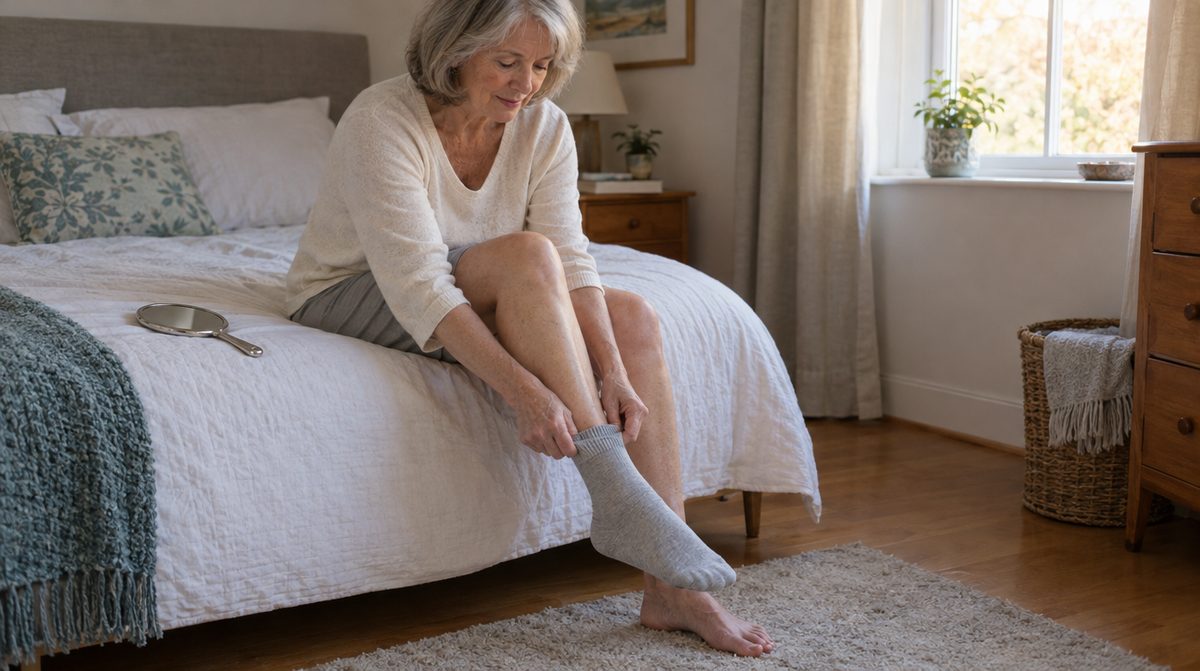
If you have diabetes, your feet deserve special attention. Over the years, high blood sugar levels can affect the nerves and blood vessels in the legs. As a result, pressure points, blisters or small injuries are noticed later or not at all, and they heal more slowly. Much of the prevention therefore happens in everyday life – and that includes choosing the right socks.
Why feet are more sensitive with diabetes
Two changes play a role that become more common with long-standing diabetes:
- Nerves (diabetic neuropathy): The sense of pressure, pain, heat and cold can decrease. A small stone in your shoe or a rubbing seam then goes unnoticed.
- Circulation: If the blood vessels have changed, the tissue is supplied less well. Small wounds take longer to heal.
Doctors speak of diabetic foot syndrome when wounds or inflammation develop as a result. Good foot care, well-fitting shoes and regular check-ups are the most important building blocks to keep it from getting that far.
What to look for in socks
A sock cannot treat a disease. But it can avoid putting unnecessary pressure or friction on the foot or keeping it damp. These points will help you choose:
- A cuff that does not constrict. A tight elastic leaves marks on the leg. Wide, soft cuffs that stay up without pressing are better.
- No thick seam over the toes. A flat or seamless toe area reduces the risk of chafing.
- Material that wicks away moisture. Cotton, bamboo viscose or merino wool let the skin breathe. Dry feet are less prone to softened skin and fungal infections.
- The right size. Socks that are too small press, socks that are too big form creases in the shoe. If in doubt, measure again – feet can change over the years.
- Light colours if you have little feeling in your feet. Blood or wound fluid is immediately visible on light socks.
- Fresh socks every day. Wash them as hot as the care label allows.
The daily foot check in five minutes
Socks are only one part of prevention. Taking a daily look at your feet is at least as important:
- Look: Every evening, check the soles, heels and the spaces between your toes. A hand mirror helps if bending down is difficult.
- Wash: lukewarm rather than hot. Check the water temperature with your elbow or a thermometer, not with your foot.
- Dry: thoroughly, especially between the toes.
- Moisturise: care for dry skin with a moisturising foot cream, but not between the toes.
- Check your shoes: Before putting them on, feel inside with your hand for small stones or seams that press. Avoid walking barefoot where possible.
When to seek medical advice: if you notice redness, swelling, blisters, open areas, discolouration or if one foot feels noticeably warmer than the other. Better once too early than too late. For calluses and nails, a podiatry practice is the right place to go.
How DEOMED® puts these points into practice
DEOMED® medical socks are designed for exactly these requirements and are registered as medical devices:
- without compression – the cuff stays up without constricting
- seamless linking above the toes
- breathable yarns made of cotton, bamboo viscose or merino wool
- in most models, silver ions in the yarn and a Sanitized® finish, which according to the manufacturer have an antibacterial and antifungal effect and help prevent odour
Which sock suits you depends on your everyday life: fine socks for every day, terry for sensitive feet, merino wool for cold days or knee-high socks. View all DEOMED® products →
This guide does not replace medical advice. If you have questions about your feet, please contact your doctor or a podiatry practice.